The image of the Church as a flock is one of the most beloved and enduring in Scripture. The sheep are gathered, fed, and kept safe under the watchful care of the shepherd. This is not a sentimental picture — it is one of profound reality.
The Church is meant to be a place of belonging and safety, where the wounded find healing, the weary find rest, and the lost are brought home.
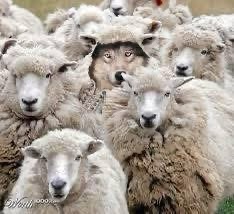
Yet Jesus, in his divine wisdom, warned that not everyone who enters the sheepfold comes for the right reasons. “Beware of false prophets, who come to you in sheep’s clothing but inwardly are ravenous wolves” (Matthew 7:15).
These wolves do not always announce themselves with obvious malice. Sometimes they are disguised in charm, eloquence, or apparent devotion. Sometimes they appeal to our compassion, only to turn it to their own advantage.
At St Mary’s, over recent weeks, we have been navigating — and continue to navigate — a very complex and demanding safeguarding matter.
Without breaching any confidences, I can say this – my priority is, and always will be, the safety and wellbeing of the flock entrusted to my care 15 years ago by the bishop with these words: receive the cure (care) of souls which is both yours and mine, in the name of the Father, and of the Son, and of the Holy Spirit. Amen.
That means not only responding to danger when it appears, but also maintaining a vigilant watch to prevent harm from taking root.
This watchfulness is more than just good safeguarding policy — it is a spiritual calling.
St Paul warned the elders of the church in Ephesus that “fierce wolves will come in among you, not sparing the flock” (Acts 20:29). He urged them to keep watch over themselves and over the whole flock, because the threat was both external and internal. The wolf is not just a metaphor for people who seek to cause harm; it also points to the darker reality of spiritual opposition.
The New Testament is clear that the Church is engaged in a form of warfare — not against flesh and blood, but “against the rulers, against the authorities, against the cosmic powers of this present darkness” (Ephesians 6:12).
The wolf in the sheepfold is not just an isolated human problem. It is part of the wider spiritual assault that seeks to fracture the Body of Christ, to sow distrust among believers, and to drive the vulnerable away from the safety of God’s people.
This is why safeguarding is not merely an administrative duty; it is spiritual duty. When the Church acts to protect the vulnerable, it is pushing back against the kingdom of darkness. When leaders take hard decisions to remove danger from the midst of the flock, they are standing on the side of the Good Shepherd, who lays down his life for the sheep. And when the faithful pray for protection, wisdom, and unity, they are wielding the spiritual weapons given to them in Christ.
Love and protection are not opposites. In fact, protecting the vulnerable is one of the clearest expressions of Christian love. Mercy is real, but it is not naive. Forgiveness is central to our faith, but it does not require lowering the gate so that the wolf may wander back in.
So we keep watch — over ourselves, over one another, and over the common life we share together in Christ. We remain open to those who come seeking life, but steadfast in closing the door to anything or anyone that would harm or destroy. We pray for the healing of those who have caused harm, but we do not invite them to continue it.
In this, we follow the Good Shepherd, who knows his own and whose own know him. He guards the gate. He drives away the wolf. He binds up the injured and carries the lambs close to his heart.
And he calls us to share in that work — to be a people of welcome and a people of wisdom, until the day when the wolf is no more and the flock rests secure in his green pastures forever.
 Musings of a City Priest